
Understanding Your Credit Score After Taking a Loan
페이지 정보
작성자 Rosalind 작성일26-07-11 04:30 조회2회 댓글0건관련링크
본문
Many individuals are surprised to find that their credit score can drop after securing a new loan. In fact, studies show that approximately 30% of borrowers experience a decline in their credit scores immediately after taking on new debt. Understanding the factors that contribute to this phenomenon is essential for anyone looking to maintain or improve their credit health.
This article will delve into the reasons behind a potential decrease in your credit score following a loan application, the implications of such changes, and effective strategies for monitoring and fixing a dropped credit score. With the right information and tools, you can safeguard your financial well-being and reduce anxiety about your credit status. Uptrend Credit
How New Loans Impact Your Credit Score
When you apply for a new loan, lenders perform a hard inquiry on your credit report, which can result in a temporary dip in your score. A hard inquiry occurs when a financial institution checks your credit to assess your creditworthiness. While this inquiry is necessary for obtaining credit, it typically lowers your score by a few points.

Additionally, taking on new debt increases your overall credit utilization ratio, especially if you utilize a substantial portion of your available credit. This ratio compares your current credit balances to your total credit limits. If your credit utilization exceeds recommended levels, it can further contribute to a decrease in your credit score.
The Role of Credit Utilization
Credit utilization is a significant factor in determining your credit score, accounting for approximately 30% of the FICO score formula. Ideally, you should aim to keep your utilization ratio below 30%. For example, if you have a total credit limit of $10,000, try to maintain balances below $3,000 across all accounts. When you take out a new loan, your available credit can decrease, which may push your utilization ratio higher, leading to a score drop.
For instance, if you had a $5,000 balance on a credit card with a $10,000 limit and then took out a $3,000 personal loan, your total debt becomes $8,000 against a total available credit of $10,000. This increases your utilization ratio to 80%, which could severely impact your credit score.
Understanding the Impact of Hard Inquiries
Hard inquiries remain on your credit report for two years, but their impact typically diminishes over time. While a single hard inquiry may reduce your score by about 5 points, multiple inquiries within a short time frame can signal financial distress to lenders. If you are shopping around for loans and apply for several within a short period, this could result in a more significant cumulative effect on your score. the Uptrend Credit team

In contrast, soft inquiries, like those conducted by lenders for pre-approval offers or personal credit checks, do not impact your credit score. Being aware of the difference between these types of inquiries can help you make better decisions about your borrowing habits.
Potential Long-term Effects of New Debt
Taking on new debt can also affect your credit mix, which is another factor influencing your credit score. A diverse credit portfolio, which includes a mix of credit cards, installment loans, and mortgages, can benefit your score. However, if the new loan replaces or increases your total debt without increasing your credit diversity, it could lead to a less favorable score. Over time, managing multiple loans without defaulting can improve your score, but the initial impact can be disheartening.
Strategies for Monitoring Your Credit Score
To mitigate the anxiety associated with credit score fluctuations, consider utilizing credit monitoring services. These services provide real-time alerts about changes to your score and any new inquiries or accounts opened in your name. By staying informed, you can take quick action if you notice any suspicious activity. Look for a service that offers comprehensive monitoring, including identity theft protection, to truly safeguard your financial health.

- Look for services that offer identity theft protection.
- Choose a provider that gives you access to your credit report and score updates.
- Select a monitoring service that alerts you to significant changes.
- Ensure the service provides educational resources on improving your credit score.
Fixing a Dropped Credit Score After a New Loan
If your credit score drops after taking out a new loan, there are proactive steps you can take to recover. First, ensure you make all payments on time. Payment history is the most significant factor in determining your credit score, accounting for 35%. Setting up automatic payments can help you avoid missed due dates.
Additionally, aim to reduce your credit utilization ratio by paying down existing debts. Focus on paying off high-interest debts first while maintaining minimum payments on others. This can help illustrate to lenders that you are managing your debt responsibly. Furthermore, you might consider requesting a credit limit increase on existing accounts, which can improve your utilization ratio, provided you do not incur additional charges. UptrendCredit financial protection
- Make timely payments on all your loans.
- Reduce credit card balances to lower your utilization ratio.
- Request credit limit increases to enhance your available credit.
- Regularly monitor your credit report for errors.
"Knowing what impacts your credit score and taking proactive steps can help you maintain financial stability and peace of mind."

Pros and Cons of Taking Out a New Loan
Before deciding to take on a new loan, it's essential to weigh the pros and cons associated with it. Here are some considerations:
Pros: Taking out a new loan can enable you to consolidate existing debt, potentially reducing your overall interest rate. It may also provide funds for necessary purchases or emergencies, enhancing your financial flexibility. Additionally, responsible management of this new loan can positively influence your credit mix and history in the long run.
Cons: On the downside, acquiring a new loan can lead to immediate decreases in your credit score due to hard inquiries and increased credit utilization. Furthermore, if not managed correctly, it can increase the risk of missed payments and further debt accumulation, adding stress to your financial situation.
When to Seek Help from a Credit Professional
If you find yourself struggling with significant credit score drops or negative impacts from loans, it may be time to consult a credit professional. They can provide tailored advice and strategies to navigate your specific circumstances. Look for reputable credit counseling services that offer free consultations and transparent pricing to ensure you're making informed decisions.
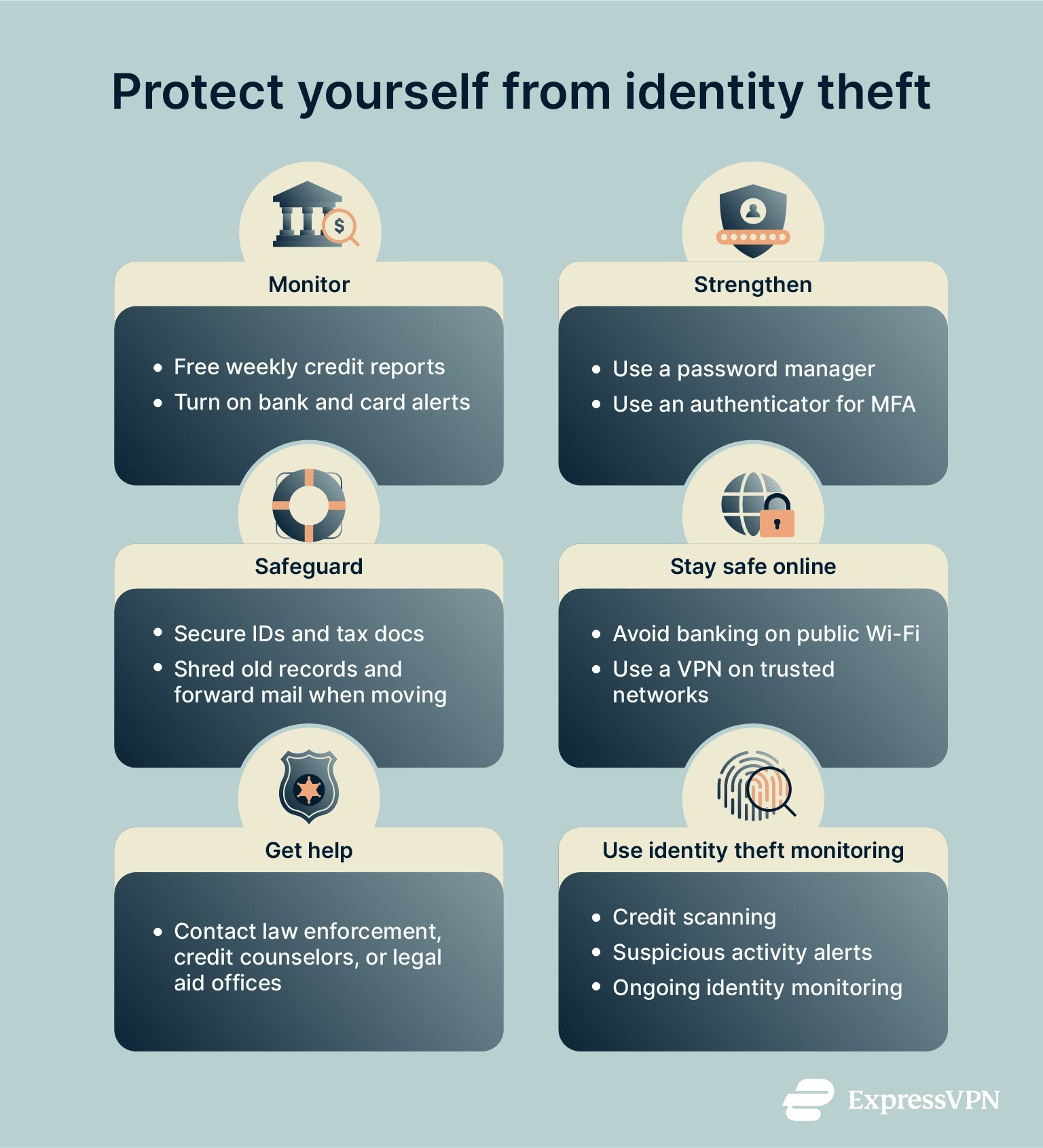
Ultimately, understanding the intricacies of credit scores and the factors that contribute to changes can empower you to make better financial choices. By being proactive, informed, and engaged with your credit health, you can effectively navigate the complexities of borrowing and take the necessary steps to safeguard your financial future.
Frequently Asked Questions
Why did my credit score go down after taking a loan?
Your credit score may drop due to hard inquiries and an increase in your credit utilization ratio after taking on new debt.
How long does it take for my credit score to recover after a loan?
Recovery can take anywhere from a few months to over a year, depending on your payment history and credit utilization following the loan.
What should I do if my credit score drops significantly?
Focus on making timely payments, reducing existing debt, and monitoring your credit report for any discrepancies or issues.
Is using a credit monitoring service worth it?
Yes, credit monitoring services can help you track changes to your score and alert you to potential fraud, which is essential for maintaining financial health.
How can I improve my credit score quickly?
To improve your score quickly, pay down credit card balances, make all payments on time, and avoid taking on new debt.
Can I dispute a hard inquiry on my credit report?
Yes, if you believe a hard inquiry is inaccurate or unauthorized, you can dispute it with the credit bureau to have it removed.
댓글목록
등록된 댓글이 없습니다.